

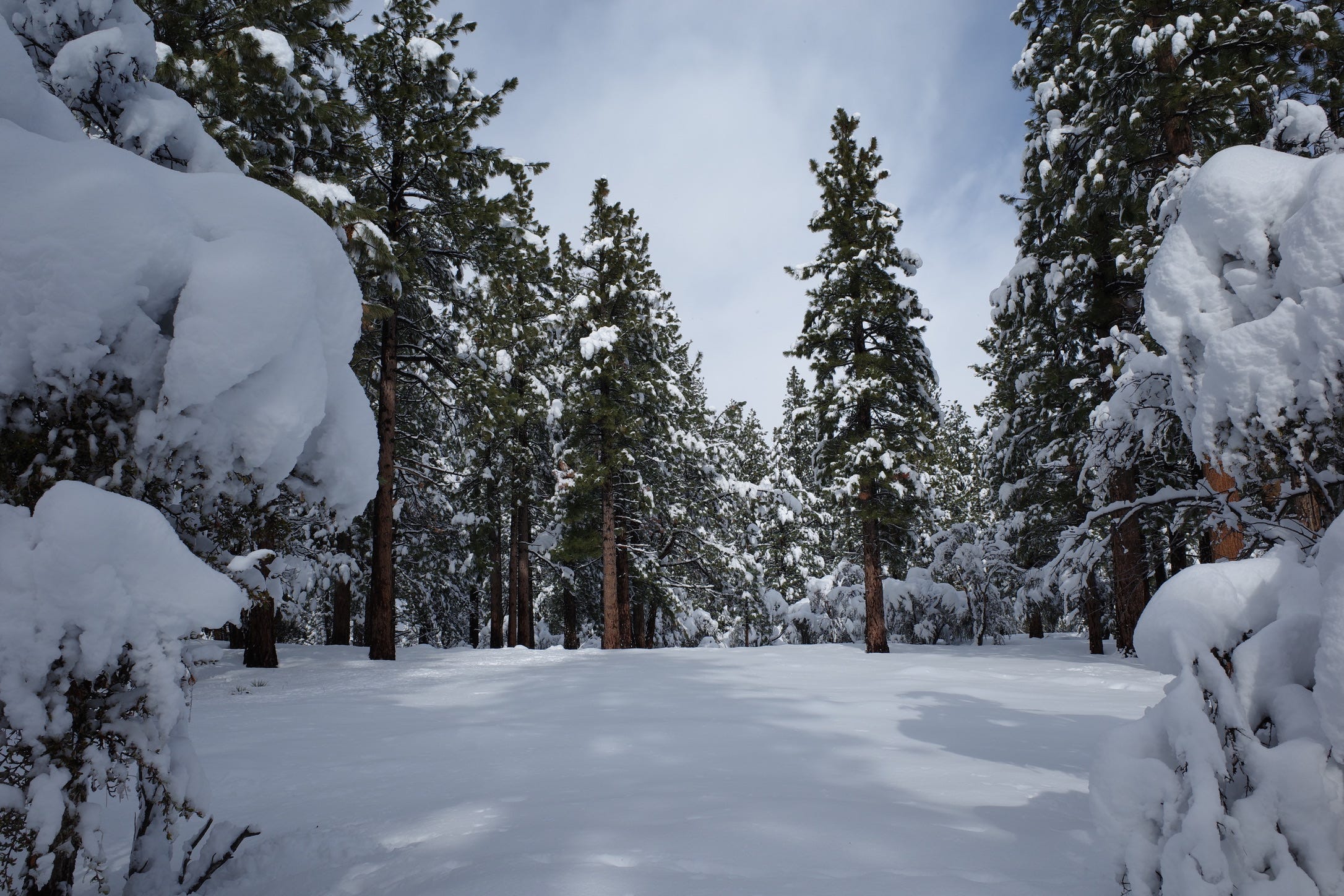
The rhythm of writing about water tracks the hydrologic year. Each water year begins on Oct. 1, around the start of the wet season, when snowpack starts to accumulate on mountain ranges across the West, from the Rockies to the Cascades to the Sierra.
As autumn gives way to winter, water managers and irrigators look to snowpack data to predict how much water may be available to use in the growing season, replenish reservoirs, and manage ecosystems. Knowing this is important because it helps people plan and make decisions about how much water there is to go around and who gets it.
The conventional wisdom, at least for much of the 20th Century, went something like this: Understanding snowpack — whether it was above average or below — offered a rough window into understanding how much water would melt and run off into rivers.
But forecasting runoff has proven challenging.
The years 2021 and 2022 in the Colorado River Basin offer some insight into this. The snowpack in 2021 was below avera…